

Putting the theory into practice


MY EXPERIENCE
Case Studies
Much of my work involves commercially sensitive sustainability data and is conducted under NDA — the case studies below are anonymized accordingly.
Each one reflects a real engagement: the problem a client was facing, the approach I took, and the outcome it produced.
STRATEGY | ANALYTICS | DISCLOSURE
Building a GHG Inventory from the Ground Up
Engineering Firm | Manufacturing
-
A global engineering company specializing in undersea vehicles and fiber-optic cable systems needed to develop its first company-wide GHG inventory.
With limited visibility into which equipment and processes were driving direct and indirect emissions, the company needed a structured approach to calculate Scope 1 and 2 emissions as a foundation for setting near-term reduction targets.
-
Rather than attempting a company-wide inventory from day one, I led the team through a pilot audit at the company's primary manufacturing facility first — cataloguing every Scope 1 and 2 emissions source on-site, from fuel combustion and refrigerants to purchased electricity.
That pilot became the basis for a site-level Inventory Management Plan: a repeatable framework for how data would be collected, verified, and maintained going forward.
With the methodology tested and refined at one site, we rolled it out across the company's remaining 34 facilities, adapting the approach where local operations or equipment differed, to build a consistent, defensible baseline inventory across the entire footprint.
-
The company went from having no structured emissions data to a complete Scope 1 and 2 inventory ready for its annual sustainability report and climate disclosures.
Beyond the reporting use case, the inventory gave leadership the operational detail needed to identify where emissions were concentrated — informing a credible, facility-specific GHG reduction target across its manufacturing, remote-operated vehicle, and subsea umbilical manufacturing operations.

STRATEGY | ANALYTICS
Benchmarking a Investor’s Path to Net Zero
Infrastructure Investment Firm | Finance
-
A global investment firm specializing in infrastructure assets needed to understand where it stood relative to peers on decarbonization, and to develop a comparative net-zero commitment grounded in industry practice rather than isolated ambition.
-
I led a benchmarking exercise across 60 financial peers — spanning banks, general and limited partners, and insurers — to build a clear picture of how the sector was approaching climate commitments.
That meant tracking not just whether peers had made net-zero pledges, but how they were structuring them: divestment trends in carbon-intensive sectors like mining, oil and gas, and automotive; the pace and scope of those divestments; and the specific mechanisms firms were using to translate commitments into portfolio-level action.
-
The analysis gave the firm a model for divestment targets across its oil and gas, mining, and transportation investments, along with a clear view of which peers were leading on climate commitments and why.
Rather than setting a target in a vacuum, leadership had an evidence-based reference point showing exactly where the firm stood in the market and what a credible, competitive commitment would need to look like.
STRATEGY | ANALYTICS | DISCLOSURE
Turning a Net-Zero Ambition into a Modeled Pathway
Midstream Oil & Gas Company | Energy
-
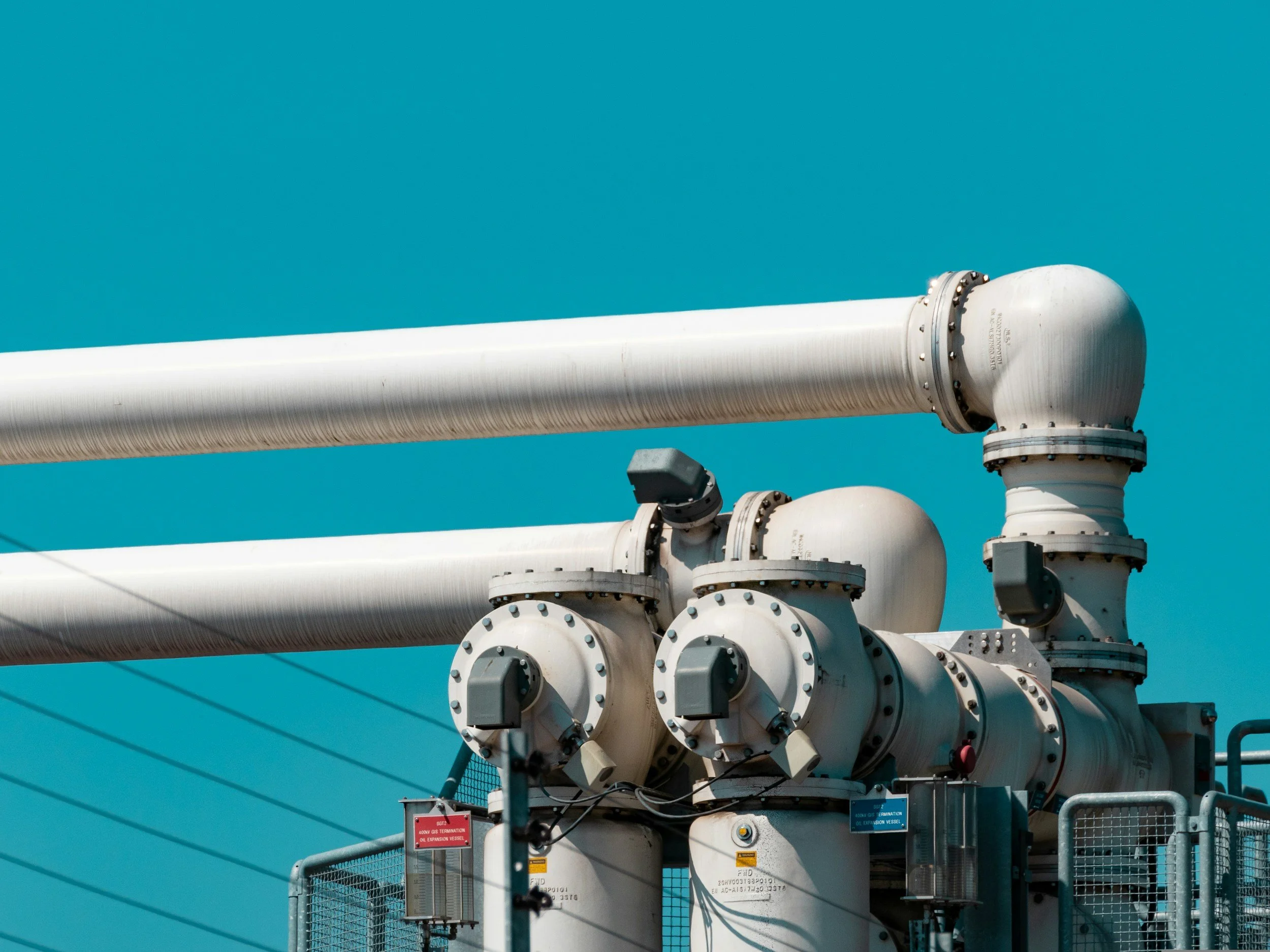
A midstream oil and gas company needed to move beyond a stated net-zero ambition to a tangible model — one grounded in a clear understanding of the specific levers available to decarbonize its portfolio.
-
I started with a GHG inventory readiness assessment and audit to establish exactly what emissions data the company had, where the gaps were, and what would need to change to support credible target-setting.
From there, I evaluated the company's decarbonization options using technology readiness levels (TRLs) — distinguishing between levers that were proven and deployable now versus those still years from commercial viability — and used that assessment to build a phased decarbonization roadmap tied to the company's net-zero commitment.
-
The company gained an accurate, evidence-based picture of its emissions inventory and the realistic mitigation and adaptation options available to it — distinguishing near-term wins from longer-term bets.
That clarity translated into a structured roadmap that turned a stated net-zero ambition into an actionable, sequenced decarbonization pathway leadership could actually execute against.

STRATEGY | ANALYTICS | DISCLOSURE
-
An industrial manufacturing business needed to conduct its first double materiality assessment ahead of CSRD compliance, requiring support to navigate ESRS standards and understand its capital inputs and outputs across the business.
-
I began by mapping the company's full manufacturing value chain — tracing capital inputs and outputs from raw materials through production to end use — to understand where the business's real sustainability impacts and dependencies sat.
That mapping fed directly into the double materiality assessment itself: identifying which topics were material from both an impact and a financial risk perspective, then defining the specific metrics required for each topic under ESRS standards, so the company knew exactly what it needed to measure and report, not just what it needed to discuss.
-
The company came away with more than a compliance checkbox: a CSRD-aligned report backed by a documented, defensible assessment process, along with a clear map of which metrics it needs to track going forward — putting it in a strong position for ongoing CSRD compliance rather than a one-time submission.
Preparing for CSRD with a First Double Materiality Assessment
Specialist Industrial Manufacturer | Industrial

STRATEGY | ANALYTICS | DISCLOSURE
Aligning Strategy, Data, and Disclosure on Climate Risk
Global Payments Technology Company | Financial Services
-
A global payments technology company needed programmatic support across its climate-related initiatives — from calculating its GHG inventory during a transition to Watershed, to climate risk assessment and a formal climate transition plan.
-
I directed a large, cross-functional project team through a multi-part engagement: reviewing the company's GHG and broader climate data as it moved onto the Watershed platform, ensuring continuity and accuracy through the transition; authoring a climate transition plan aligned with the Transition Plan Taskforce (TPT) framework to formalize how the company would meet its climate commitments; and drafting the company's CDP response, which scored an A-.
-
The engagement connected work that often happens in silos — data infrastructure, strategic planning, and external disclosure — into a single coherent narrative.
The result was a climate transition plan and CDP response that accurately reflected the company's annual climate performance and reinforced its credibility on reducing climate-related impacts, backed by data the company could stand behind.
STRATEGY | ANALYTICS
Assessing Climate Risk Across a Global Data Center Footprint
Global IT Infrastructure Services Provider | Technology
-
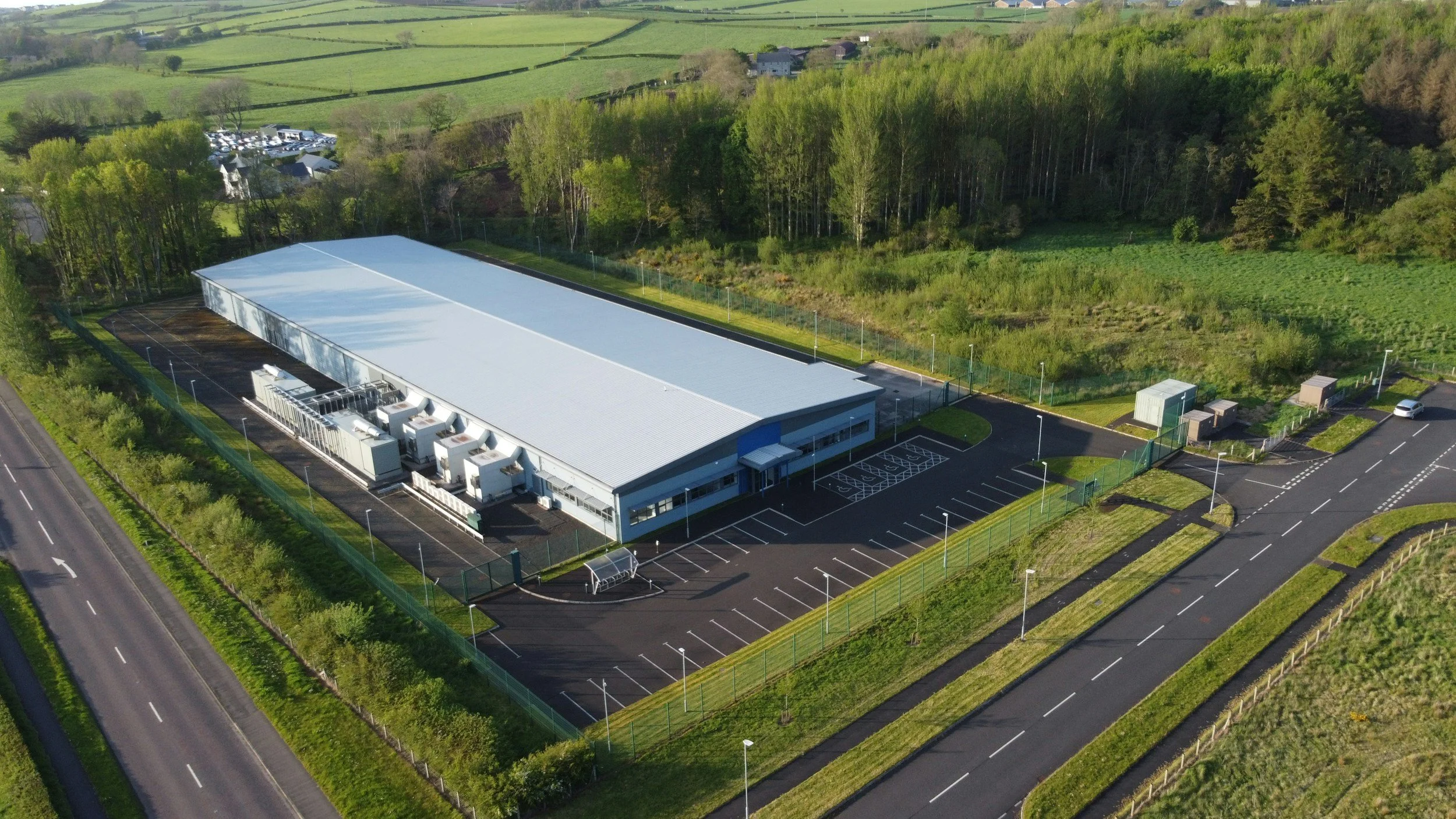
A global IT infrastructure services provider needed a climate risk assessment across its key data center locations, along with a TCFD-aligned report — requiring identification of physical and transition risks and their financial quantification.
-
I led a climate risk team through a systematic assessment of the company's data center and office locations, identifying which facilities were most exposed to physical risks — chronic water stress in particular — as well as transition risks tied to regulatory and market shifts.
Beyond identifying exposure, the assessment quantified the potential financial impact of those risks, giving the company a business case, not just a risk map.
That work fed into three consecutive years of TCFD-aligned reports and broader sustainability disclosures for the company's annual reporting.
-
The company gained a clear, financially quantified view of climate risk across its most critical infrastructure — enabling more informed decisions about where to invest in resilience.
The three-year track record of TCFD-aligned disclosure also gave the company a consistent, credible climate risk narrative to point to with investors and regulators.
Rather than setting a target in a vacuum, leadership had an evidence-based reference point showing exactly where the firm stood in the market and what a credible, competitive commitment would need to look like.

ANALYTICS | DISCLOSURE
Strengthening Annual Reporting and Ratings Performance
Semiconductor Equipment Company | Technology
-
A semiconductor company needed support developing its annual sustainability report and preparing for ratings and rankings disclosures, along with benchmarking on specific topics including use of sold products, AI governance, and materials.
The company needed a structured approach to calculate Scope 1 and 2 emissions as a foundation for setting near-term reduction targets.
-
I provided editorial guidance across the company's annual sustainability report — shaping how technical content was structured and communicated — and personally drafted the sections covering more complex, technical topics.
To support that work, I benchmarked the company's disclosure approach on emerging topics like AI governance and materials use against industry practice, and developed the report's content index to ensure the final report was navigable and aligned with what stakeholders would expect to find.
-
The company successfully published two consecutive annual sustainability reports that clearly demonstrated measurable progress against its material topics — with technical content that was both accurate and accessible, and a disclosure approach on emerging topics that kept pace with industry expectations rather than lagging behind them.

GET IN TOUCH
Have a gap in your sustainability strategy?
If your sustainability strategy, data, or reporting needs a sharper edge — or you're not sure where to start — let's talk.
No deck. No agenda. Just a conversation to discover whether I'm the right fit for you.